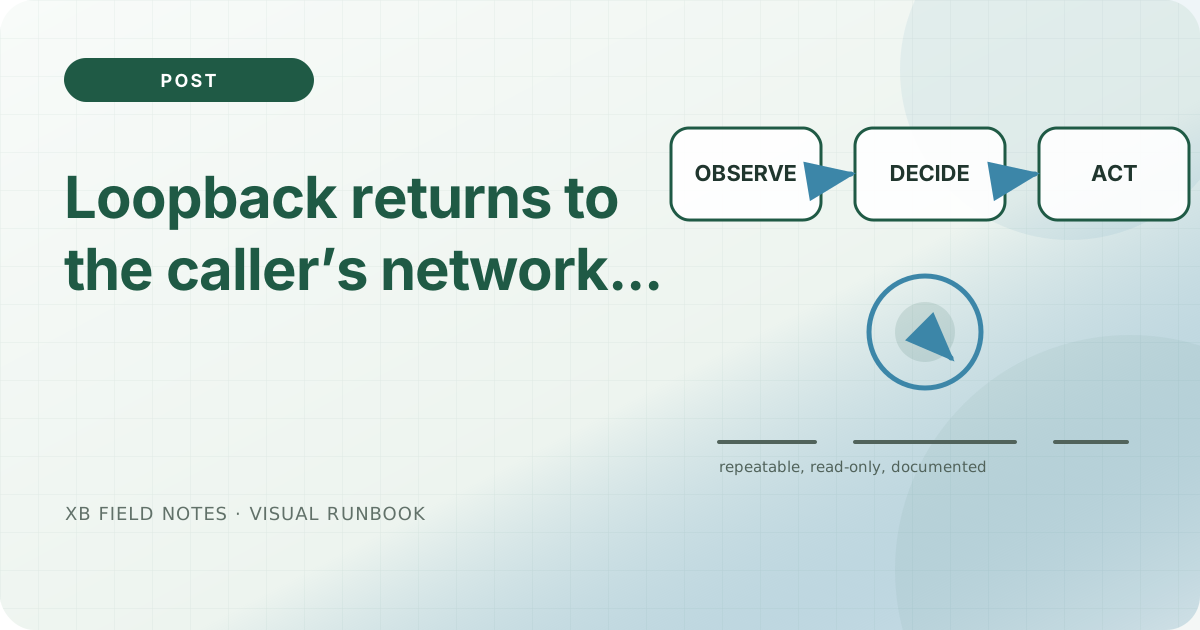
The same loopback address and port lead to different services in separate network namespaces.

Loopback returns to the caller’s network namespace

Loopback addresses let a process communicate through its local IP stack without sending the exchange over a physical network link. IPv4 reserves 127.0.0.0/8 for loopback; 127.0.0.1 is the familiar member. IPv6 uses ::1. On Linux, the relevant local networking context is a network namespace. Two processes on the same physical machine can therefore have different answers to what counts as their own loopback service. ...
November 17, 2026 · 5 min · XB Field Notes
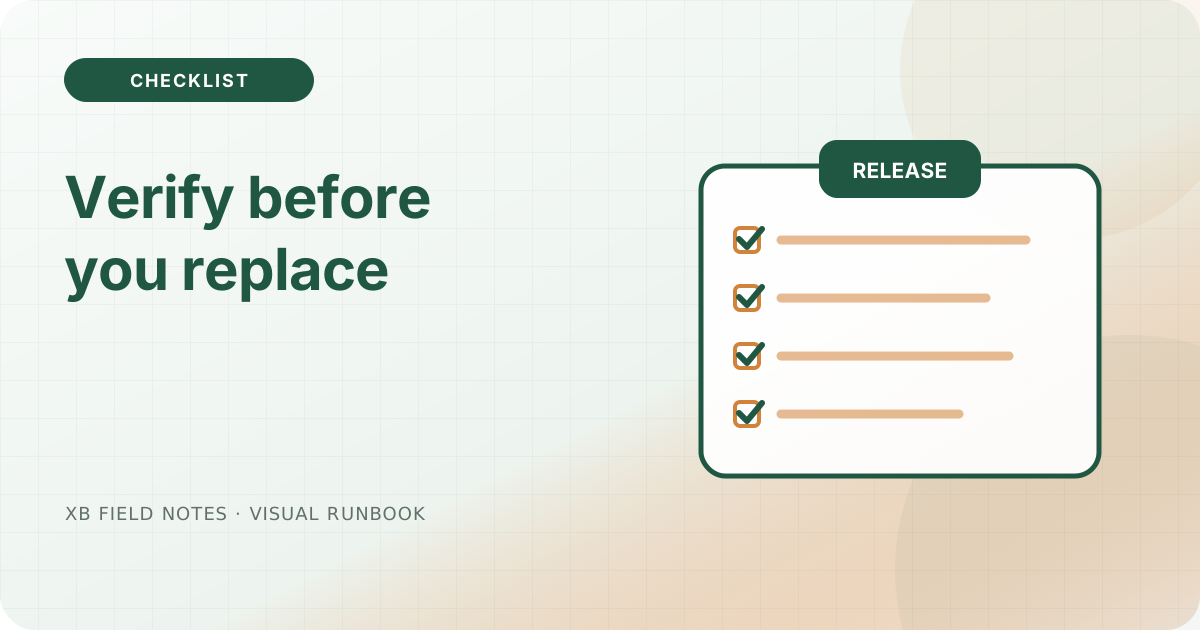
A release clipboard with four completed verification checks.

A release checklist for a static site

Verify the artifact before replacing the live directory, and keep the checks close to the release command.

July 30, 2026 · 2 min · XB Field Notes
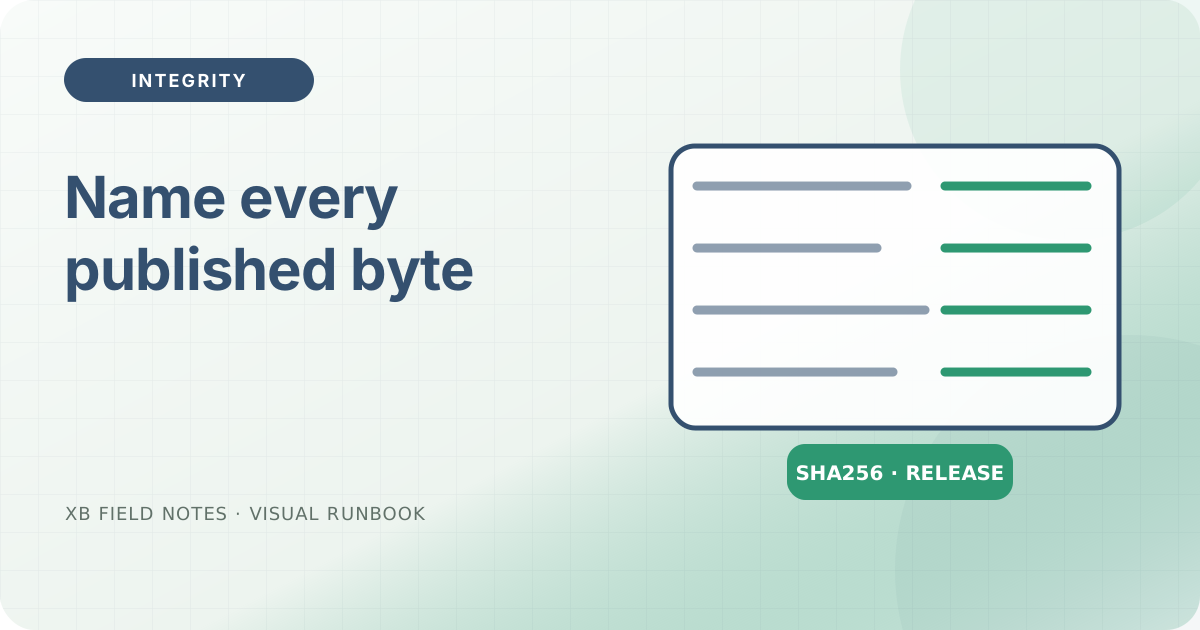
A sorted file manifest connected to individual checksums and one aggregate release digest.

A release manifest should name every published byte

One aggregate digest is useful, but a sorted per-file manifest tells you exactly what changed or went missing.

July 16, 2026 · 2 min · XB Field Notes
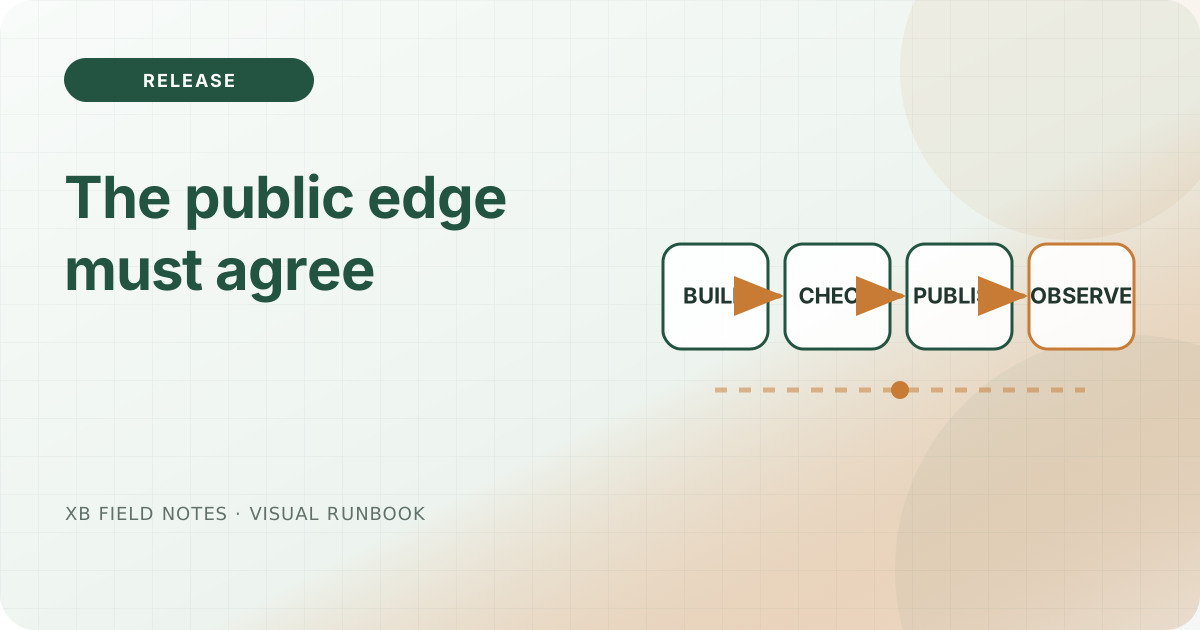
Build, check, publish, and observe stages leading to the public edge.

A release is not complete until the public edge agrees

Build once, inspect the output, then exercise representative public routes before replacing the live directory.

July 9, 2026 · 2 min · XB Field Notes
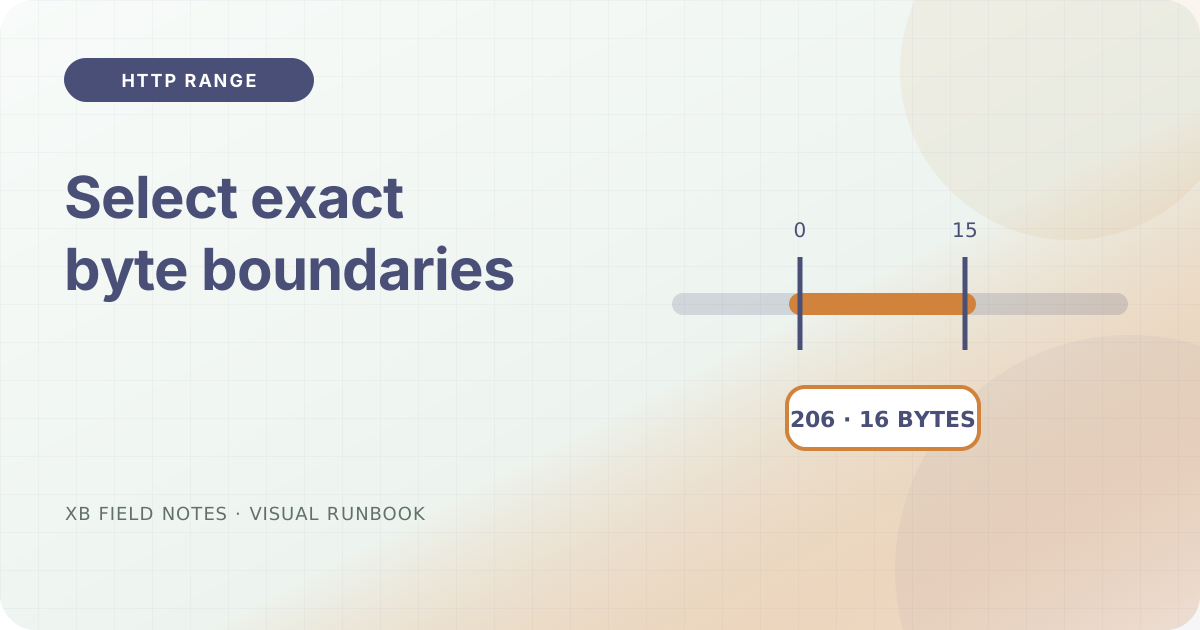
A long byte sequence with one bounded segment selected for a partial response.

Range requests should prove which bytes were selected

A 206 response is useful only when its boundaries and total size describe the bytes that were returned.

July 6, 2026 · 2 min · XB Field Notes
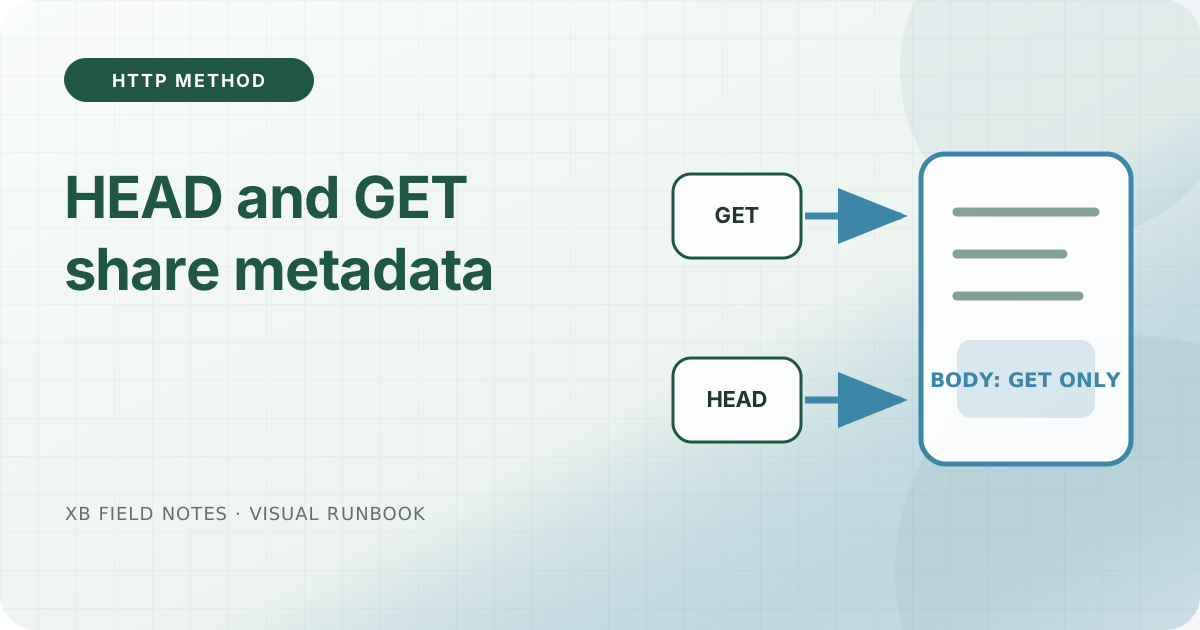
GET and HEAD requests aligned to the same response metadata while only GET carries a body.

HEAD should describe the same representation as GET

HEAD is a metadata view of GET; status and representation headers should tell the same story.

June 22, 2026 · 2 min · XB Field Notes