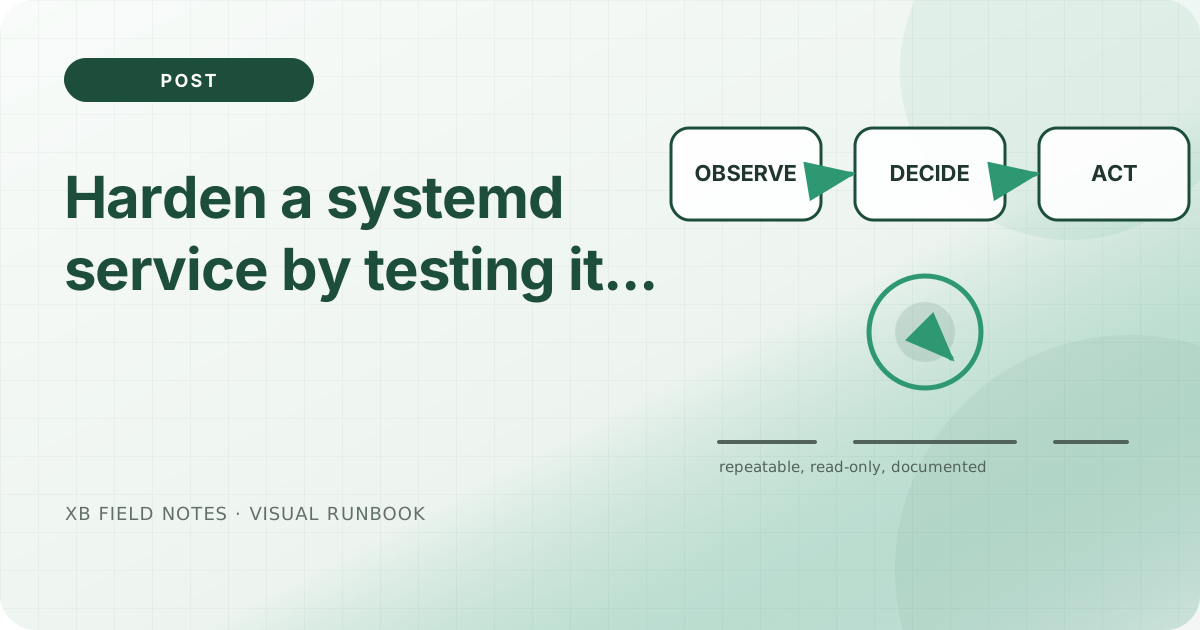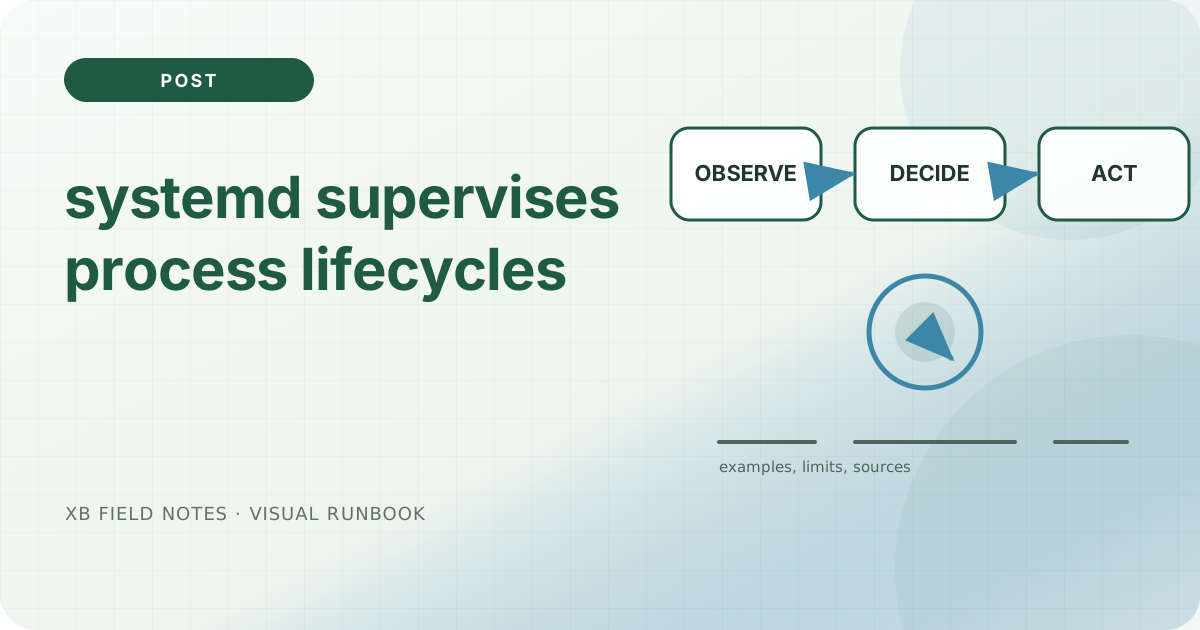
Three connected blocks labeled Observe, Decide, and Act.

systemd supervises process lifecycles

A service manager turns process startup, failure, and shutdown into observable state transitions. With systemd, a unit can name the foreground command, its restart policy, and its output destination. That removes the need for a shell loop that repeatedly launches a daemon without recording why it stopped. It does not prove that the running application can answer requests or that restarting repairs the underlying fault. ...
November 1, 2026 · 5 min · XB Field Notes
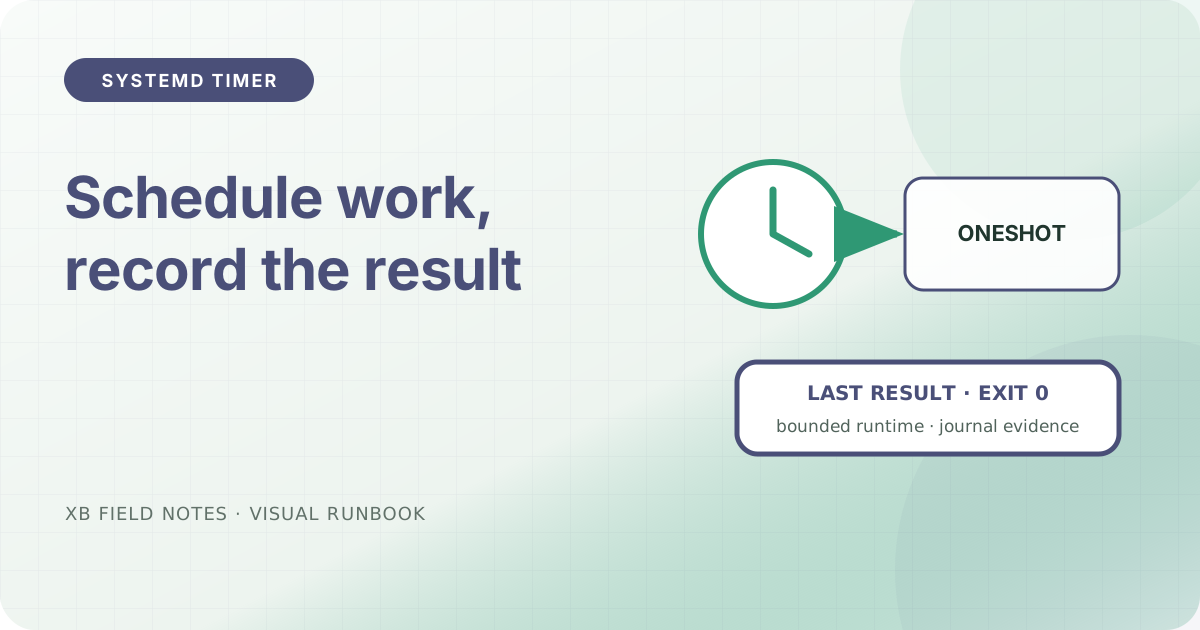
A maintenance task connected to a clock, bounded runtime, and journal result.

A maintenance timer should leave its last result visible

Scheduling is only half the job; operators also need to see when the task last ran and how it ended.

August 4, 2026 · 3 min · XB Field Notes
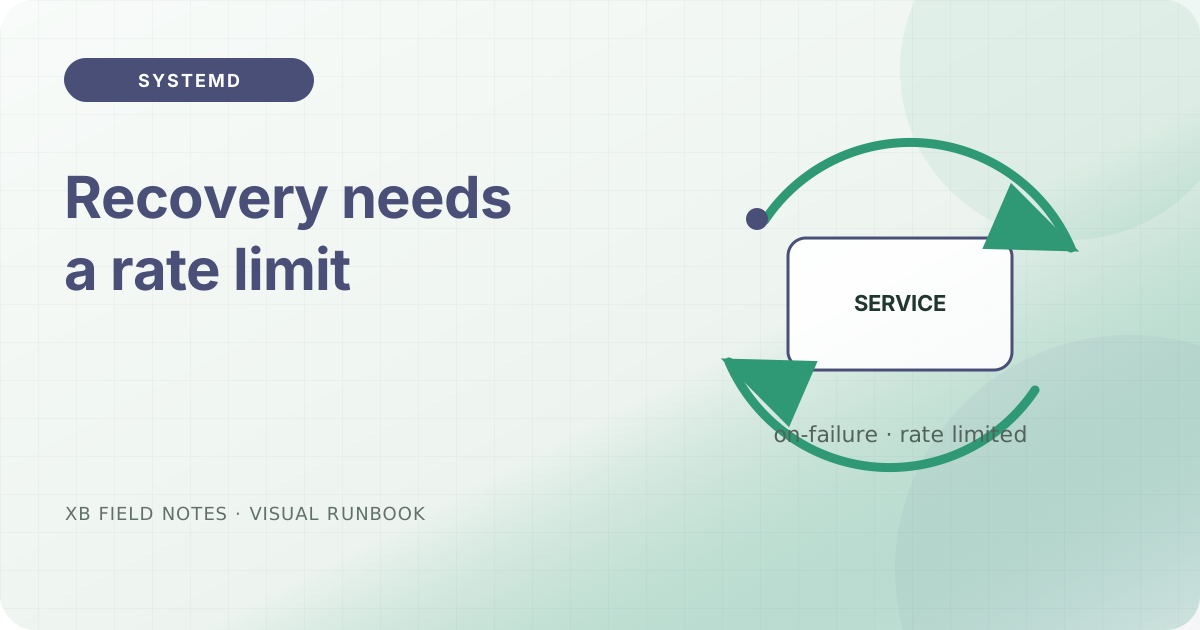
A service inside a bounded and rate-limited restart loop.

Restart policies need a rate limit

Use an explicit service type, bounded restart behavior, and start-rate limits that leave evidence in the journal.

August 3, 2026 · 3 min · XB Field Notes
Article title beside three connected panels labeled Observe, Decide, and Act on a pale grid.

Harden a systemd service by testing its boundaries

Service hardening should turn a specific unwanted operation into a denied operation while preserving the work the application must perform. systemd supplies execution settings for filesystem views, namespaces, privileges, and other resources. They are separate controls with separate limits. Adding four familiar directives does not make every readable file, reachable process, inherited descriptor, or allowed system call disappear. ...

June 27, 2026 · 5 min · XB Field Notes