An in-memory keystore the ssh client consults for signing.

The ssh agent passes keys without exposing them

Agent forwarding is not the agent. Forwarding asks sshd on the remote host to create its own socket and point SSH_AUTH_SOCK at it, so programs on that host can ask your agent back home to sign. The remote never holds the key, and it never needs to: it holds full use of it. ...
February 9, 2028 · 4 min · XB Field Notes
A long-lived helper that answers sign requests with an unlocked key kept in RAM.

ssh-agent remembers your decrypted keys while you work

An ssh-agent is a program that holds private keys for public key authentication and answers signing requests on their behalf. ssh finds it through SSH_AUTH_SOCK, the path of a Unix-domain socket, so the key is unlocked once and then borrowed by every connection that follows. The private key itself is never handed to a client. ...

February 27, 2027 · 4 min · XB Field Notes
A recorded SSH host fingerprint connected to a key symbol.

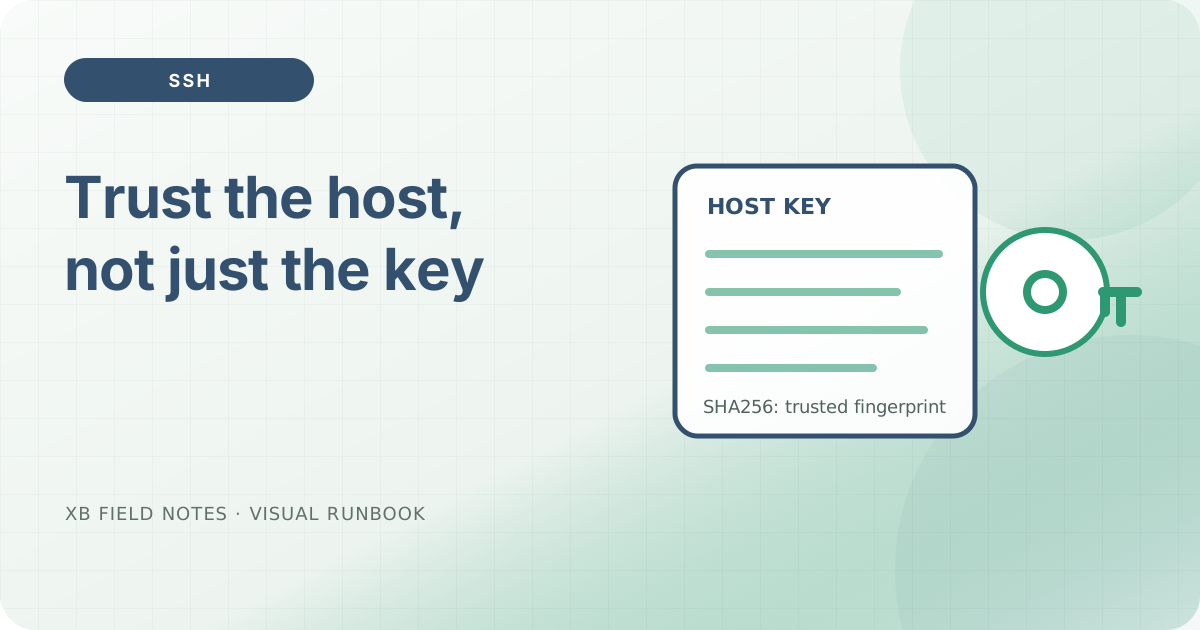
SSH host keys are part of the deployment record

Record the expected fingerprint, use a deliberate StrictHostKeyChecking policy, and treat changes as an incident until explained.

July 28, 2026 · 2 min · XB Field Notes
An SSH key constrained to one identity and a narrow permission scope.

SSH key hygiene is mostly limiting where a key works

SSH keys are convenient, and convenience is exactly why they get out of hand. The practical discipline is not to generate fewer keys; it is to make each key a named identity with a clear scope, a short lifetime, and a record in the files that tell an auditor who is allowed to do what. ...

July 6, 2026 · 6 min · XB Field Notes