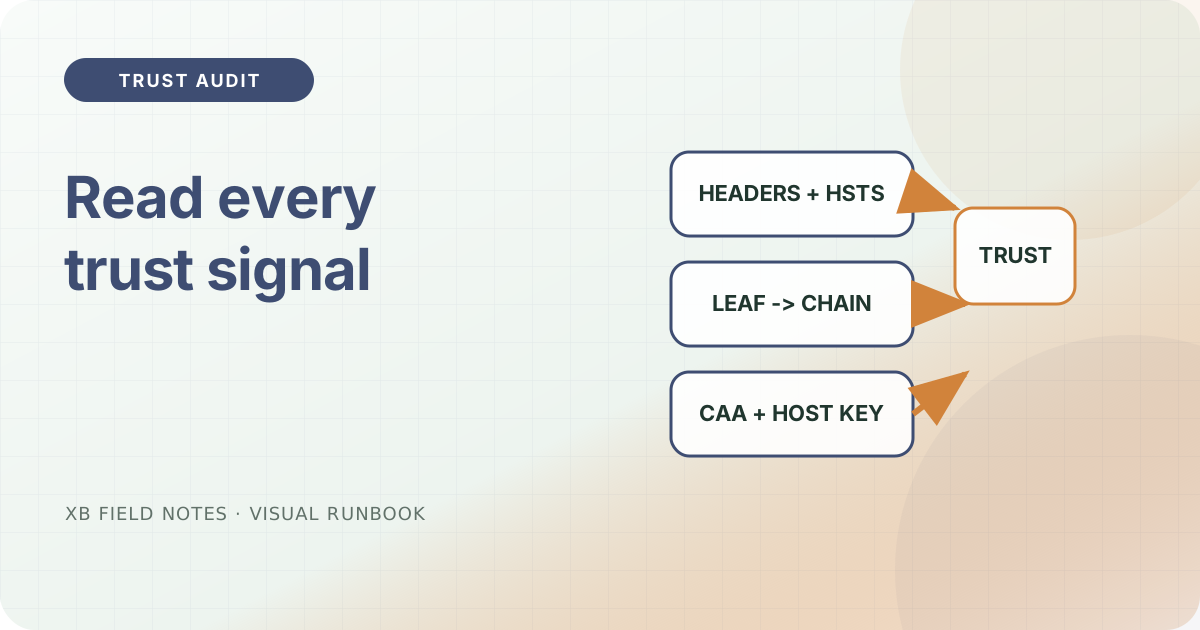
Browser policy, certificate identity, host trust, and DNS signals that make a public edge safer to inspect.
This series treats security settings as contracts with scope and failure modes. It covers transport, headers, certificate renewal, host keys, cookies, HSTS, and certificate-authority authorization records.
Certificate expiry is a date, not a dashboard color
Use SNI, inspect the public certificate, and alert before renewal becomes an incident.
HSTS should be rolled out with a recovery plan
HSTS is cached browser policy, so a configuration mistake can outlive the server change that created it.
Security headers should describe the actual page
Start with a narrow policy, then expand it only when a documented feature needs another resource.
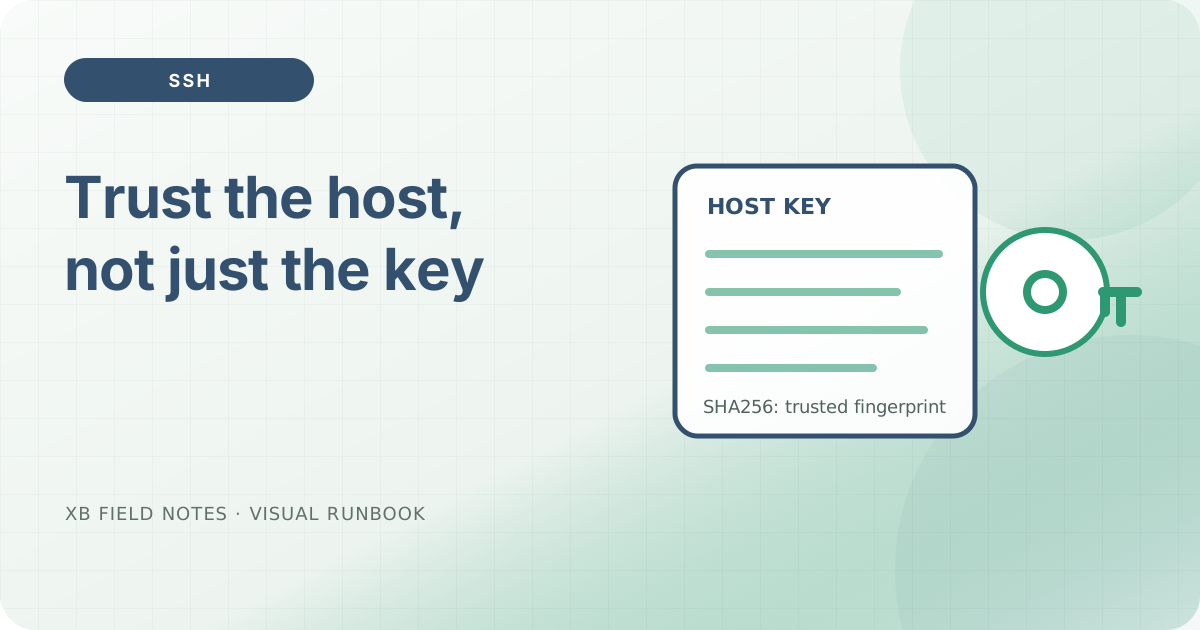
SSH host keys are part of the deployment record
Record the expected fingerprint, use a deliberate StrictHostKeyChecking policy, and treat changes as an incident until explained.
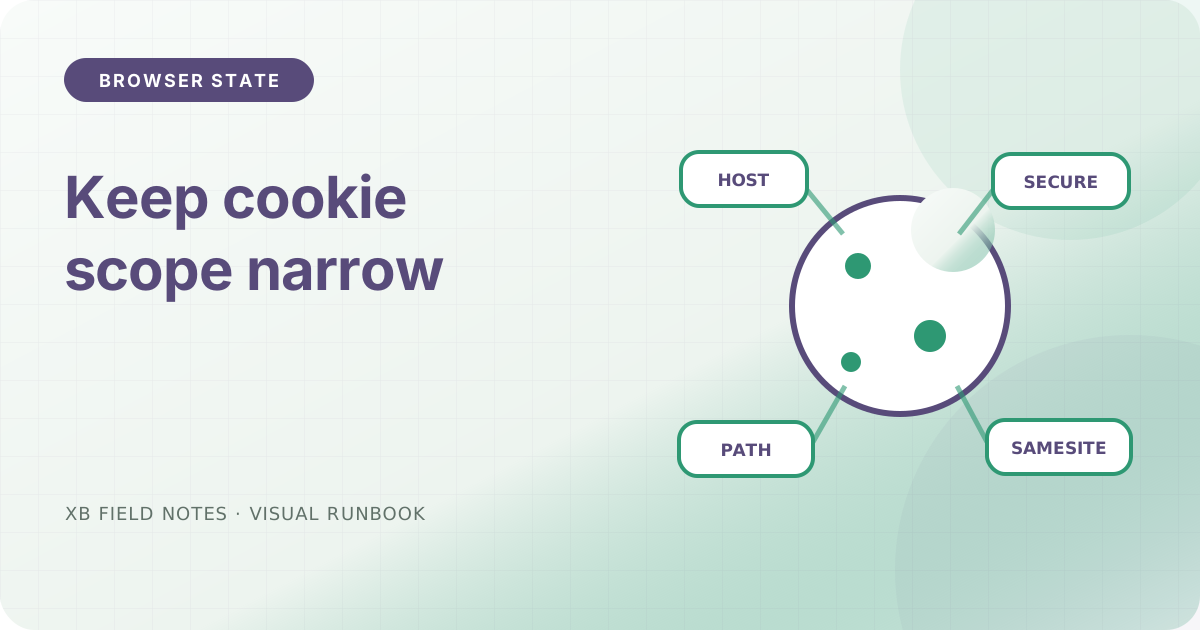
Cookie scope should be narrower than the application boundary
A cookie sent to more hosts or paths than necessary enlarges the impact of every mistake at those boundaries.
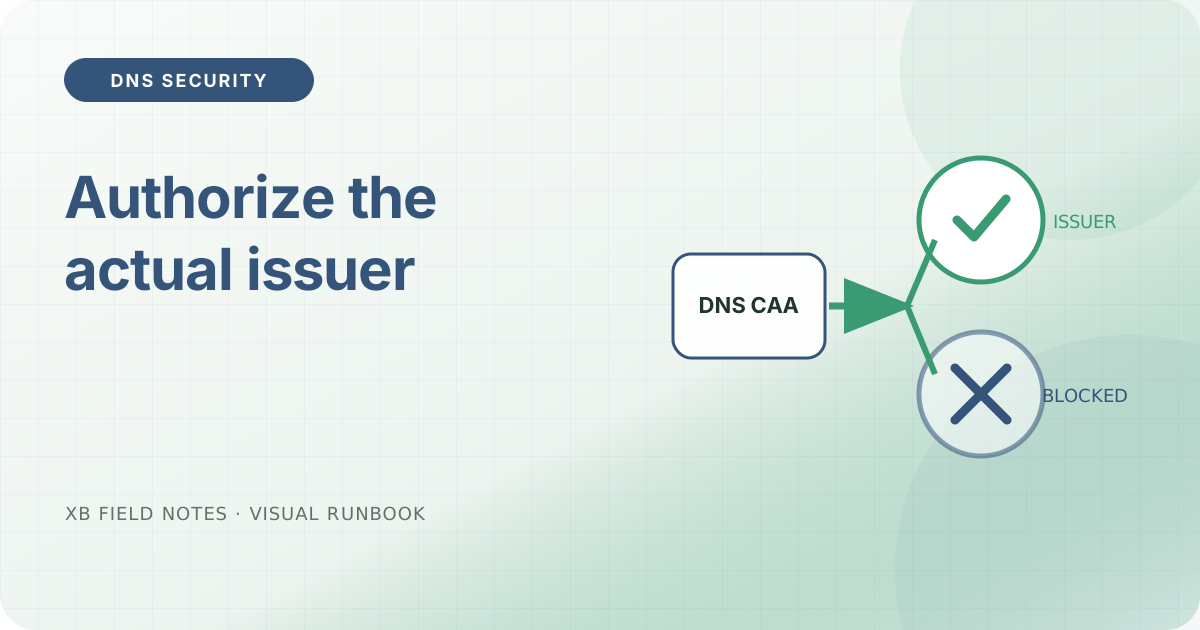
CAA records should authorize the issuer you actually use
CAA narrows certificate issuance policy, but a mistaken record can block renewal as effectively as an expired certificate.
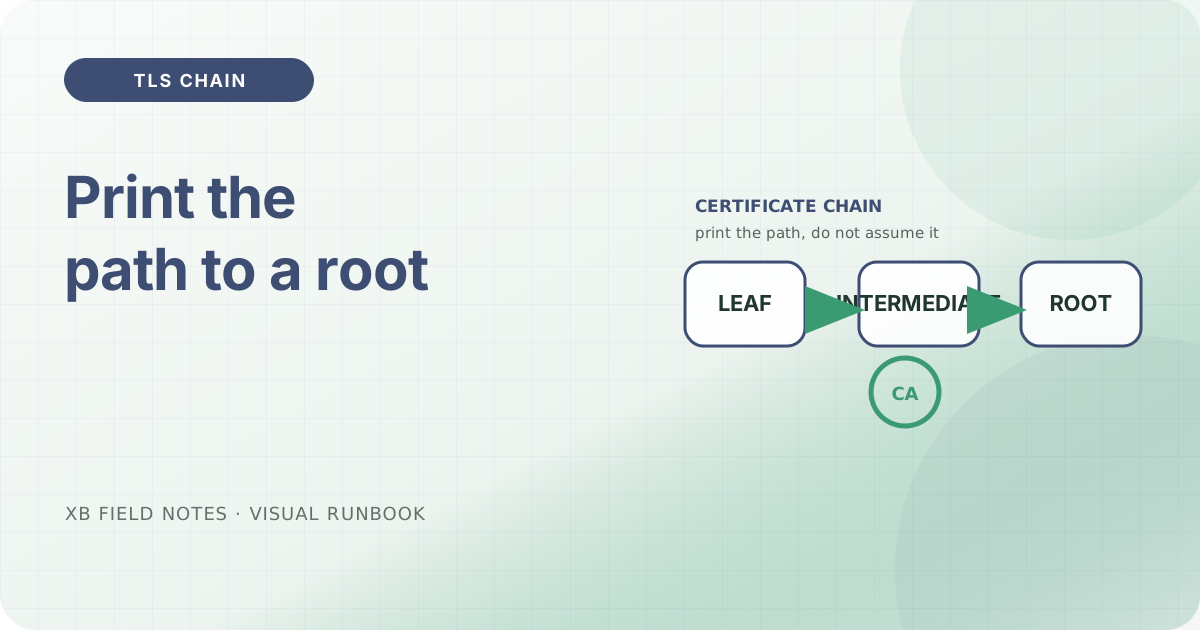
A certificate chain is a path you should be able to print
Read the chain the edge actually presents, not just the leaf, before you trust the rollout.
Audit the trust of a public edge
Read every trust signal at the edge, from the CSP header to the certificate chain and the authorized issuer.