Field notes

2 / 4
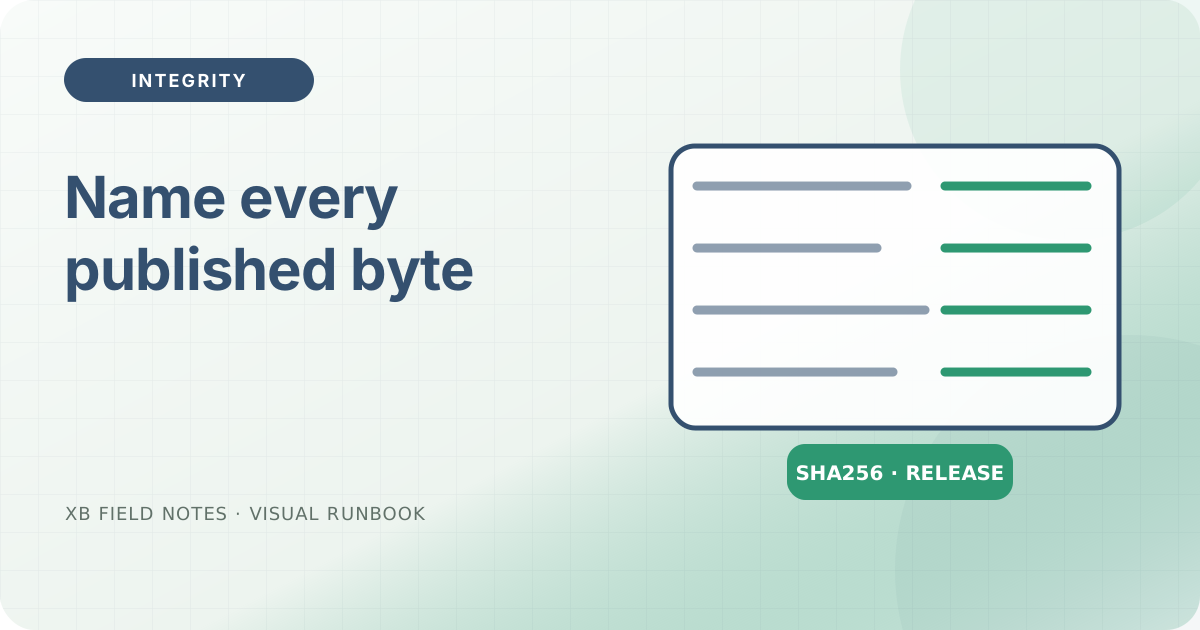
A sorted file manifest connected to individual checksums and one aggregate release digest.

A release manifest should name every published byte

One aggregate digest is useful, but a sorted per-file manifest tells you exactly what changed or went missing.
July 16, 2026 · 2 min · XB Field Notes
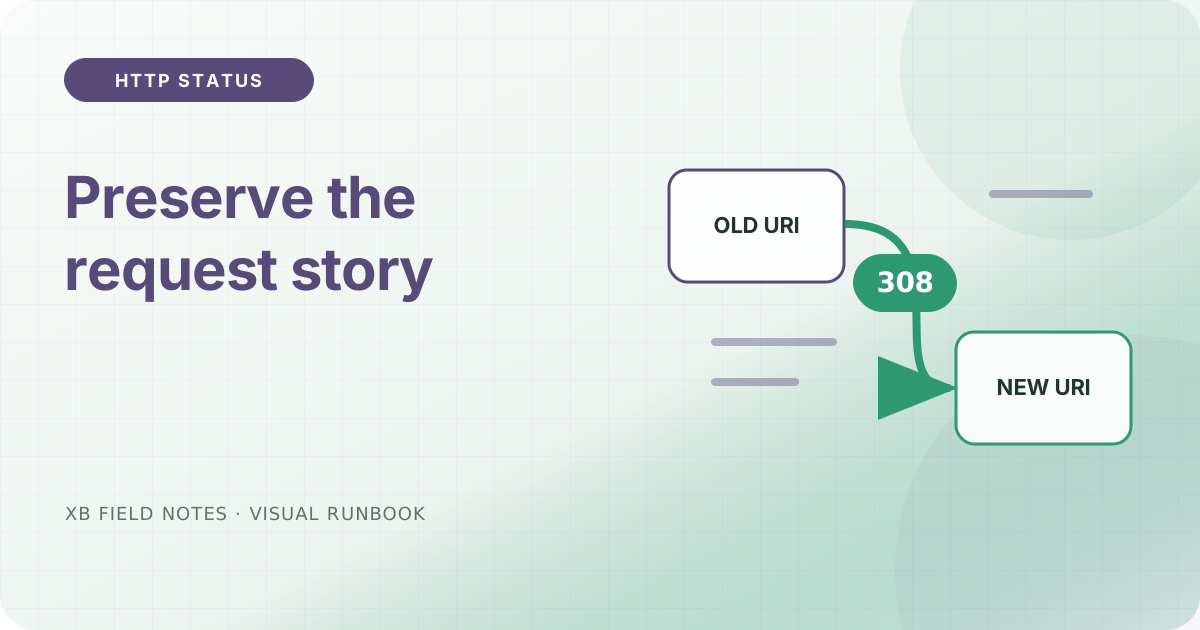
An old URI permanently redirected to a new URI with status 308.

Redirects and error codes should preserve the story

Check the method, Location header, and cache behavior before choosing a redirect or an error status.
July 14, 2026 · 2 min · XB Field Notes
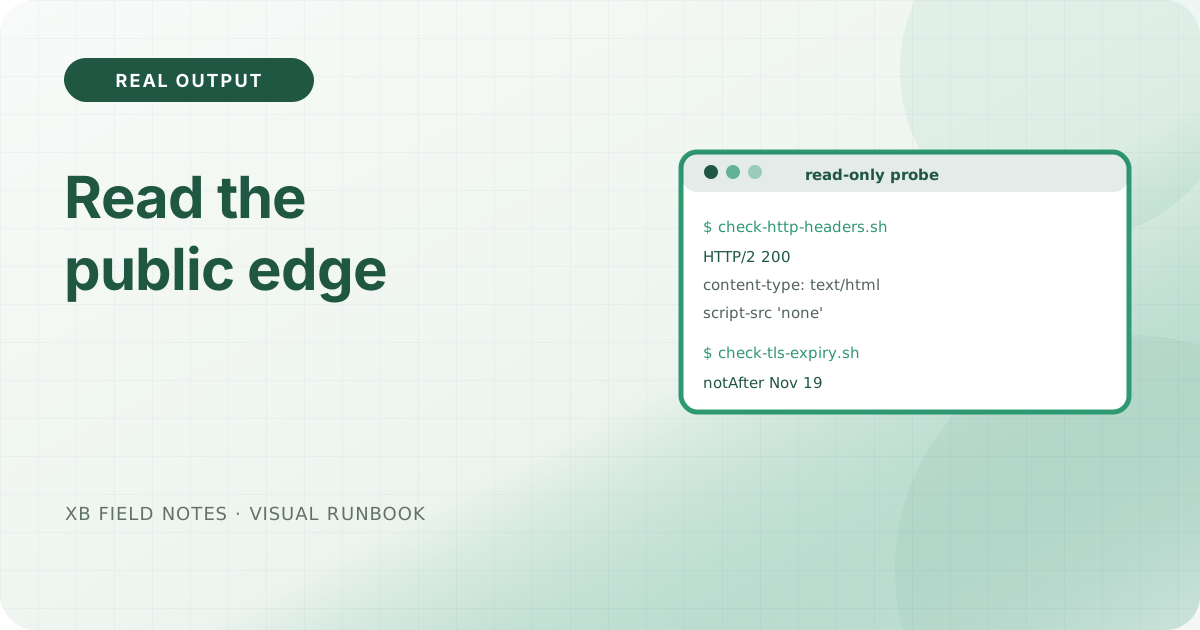
A read-only probe printing real response headers and certificate dates.

Read the public edge in two commands

Two small read-only helpers turn the public endpoint into evidence you can inspect before and after a release.
July 13, 2026 · 2 min · XB Field Notes
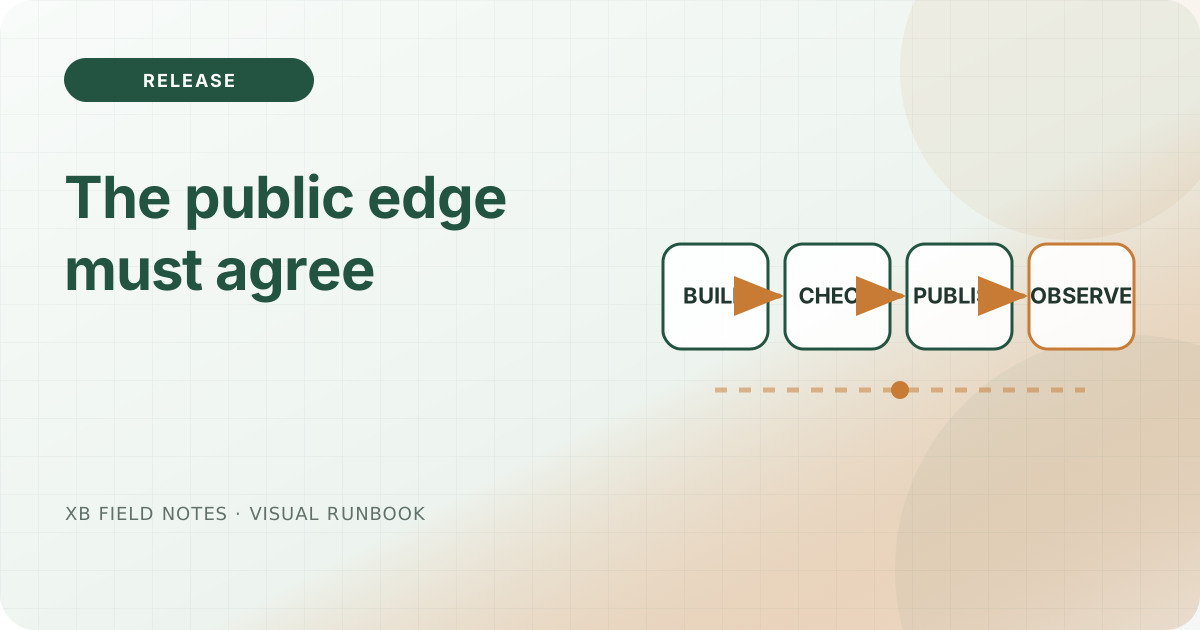
Build, check, publish, and observe stages leading to the public edge.

A release is not complete until the public edge agrees

Build once, inspect the output, then exercise representative public routes before replacing the live directory.
July 9, 2026 · 2 min · XB Field Notes
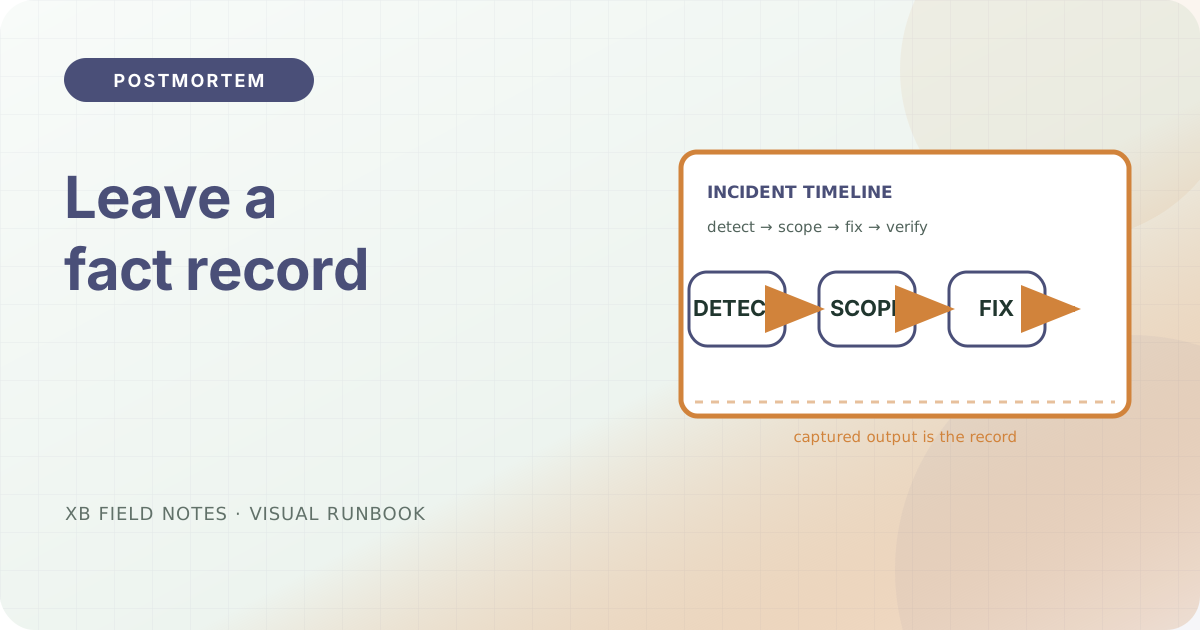
A four-phase incident timeline from detect to verify.

A postmortem should leave a fact record

A postmortem is a chronological map from detected symptom to verified fix, backed by the commands that produced each fact.
July 7, 2026 · 2 min · XB Field Notes
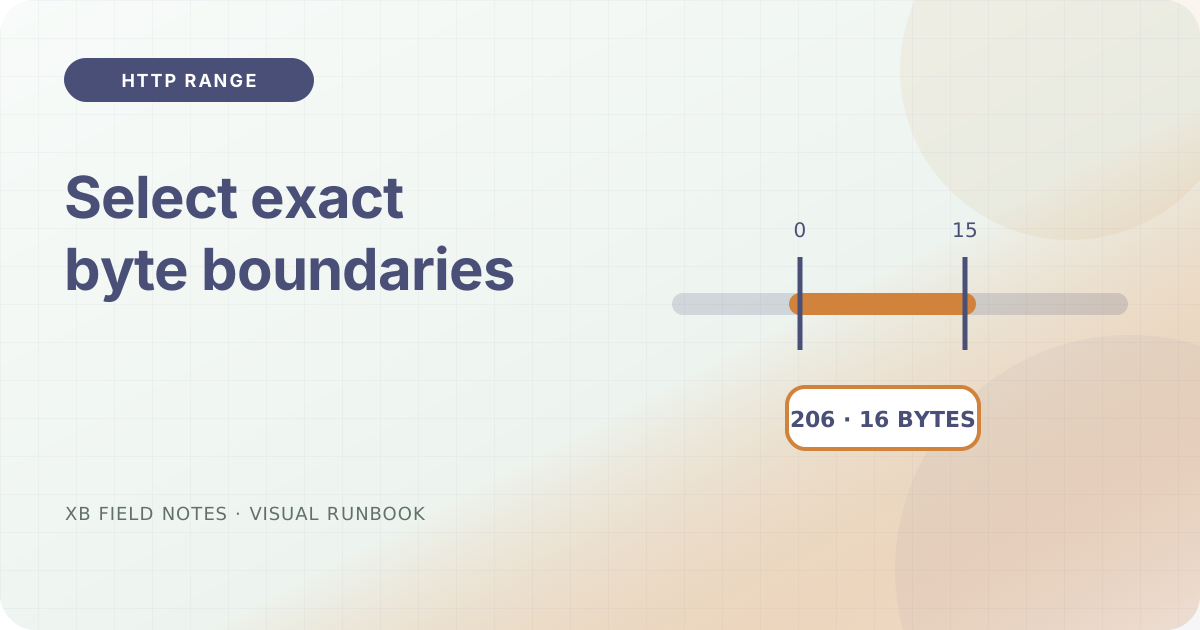
A long byte sequence with one bounded segment selected for a partial response.

Range requests should prove which bytes were selected

A 206 response is useful only when its boundaries and total size describe the bytes that were returned.
July 6, 2026 · 2 min · XB Field Notes
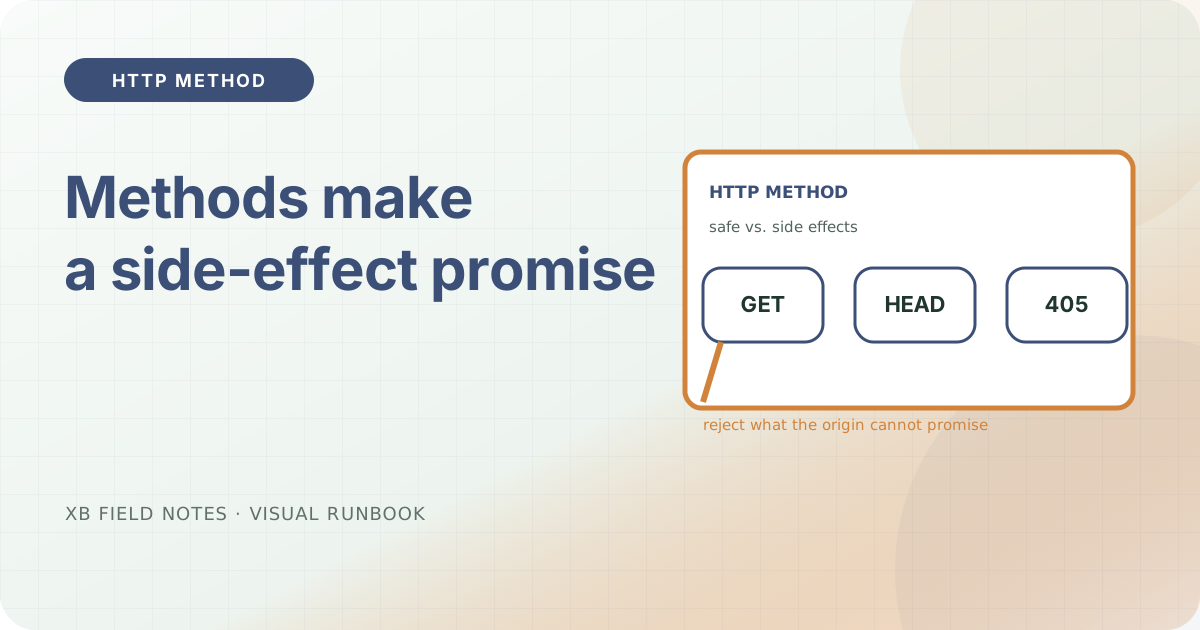
A request line naming a method checked against the side effects a static origin is allowed to promise.

HTTP methods are a promise about side effects

Get the method boundary right once, and OPTIONS, HEAD, and idempotent writes stop being a surprise.
July 2, 2026 · 3 min · XB Field Notes
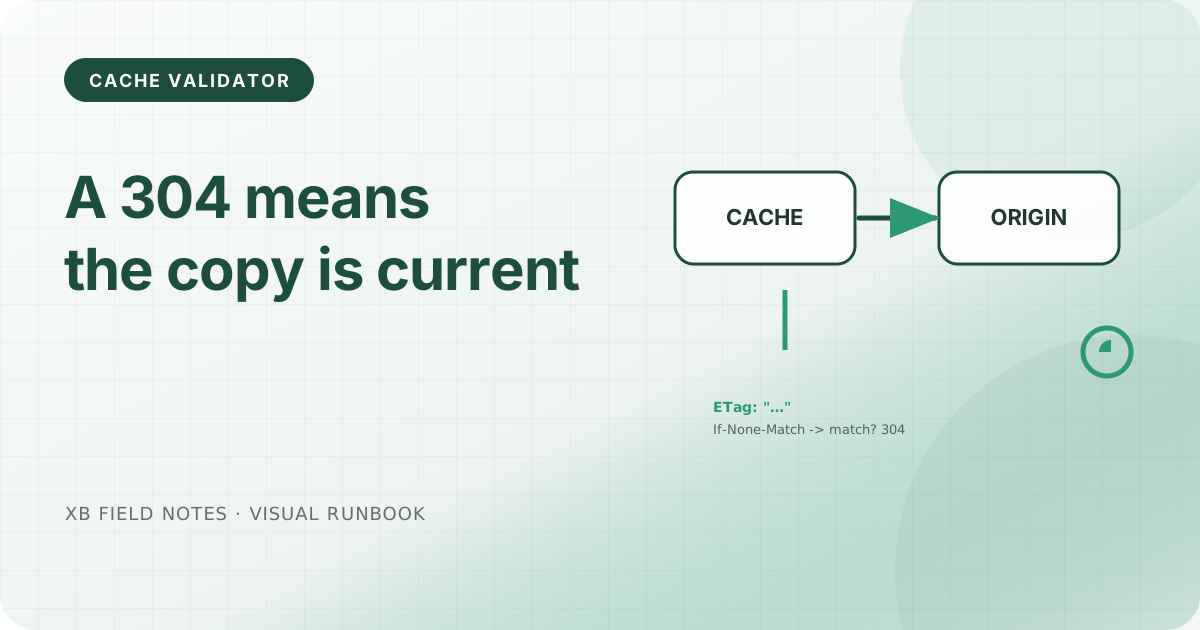
A cache and an origin trading a validator string to decide whether a stored response is still fresh.

Validators decide whether a cached copy is still the answer

Conditionals are the cache’s second clock; a 304 means the stored copy is still the answer.

June 30, 2026 · 2 min · XB Field Notes