An HTTP status is part of the interface. A browser may render a friendly page, but a monitor, crawler, cache, and API client also need the status code and headers to tell the same story.
Permanent moves are not all interchangeable
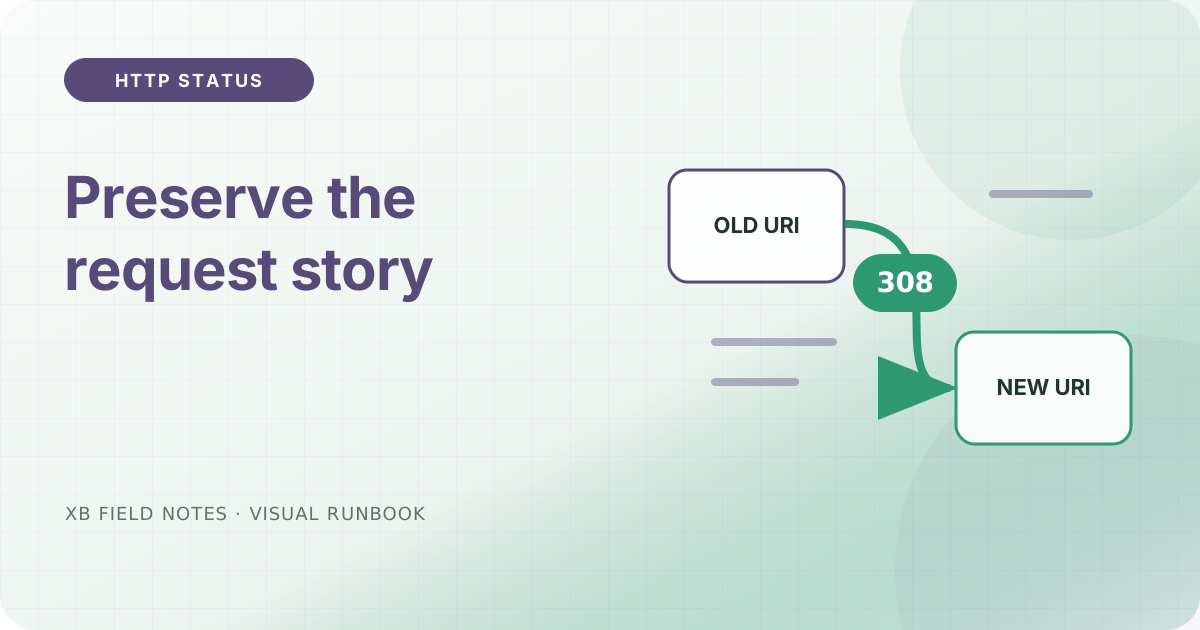
308 Permanent Redirect communicates that the resource has a new permanent URI while preserving the request method. That is important for a client that sends POST, PUT, or another non-GET method. A redirect from an old page to a new page is easy to test with GET; a migration of an endpoint must also be tested with the method that real callers use.
curl -sS -D - -o /dev/null --max-redirs 0 \
  https://old.example.test/api/item
Check that Location is absolute or correctly rooted, that the target is the intended host, and that the response is not silently downgraded to a temporary redirect. A 308 is cacheable by default, so change it only with a deliberate migration plan.
Distinguish missing from removed
Use 404 Not Found when the server cannot find a current representation and the absence may be temporary or unknown. 410 Gone is stronger: it says the resource was intentionally removed and is unlikely to return. Both should have a body that helps a human, but neither should return 200 just because a custom error page rendered successfully.
The check belongs at the edge:
curl -sS -o /tmp/missing.html -w '%{http_code} %{url_effective}\n' \
  https://www.example.test/a-route-that-does-not-exist
Keep the response headers on the error path. Security headers, a useful content type, and a correct status are more valuable than a decorative error animation.
Sources
- RFC 9110 — HTTP Semantics, sections 15 and 13, checked 2026-07-14.
- RFC 7538 — 308 Permanent Redirect, section 3, checked 2026-07-14.
- curl manual, status and redirect inspection flags, checked 2026-07-14.