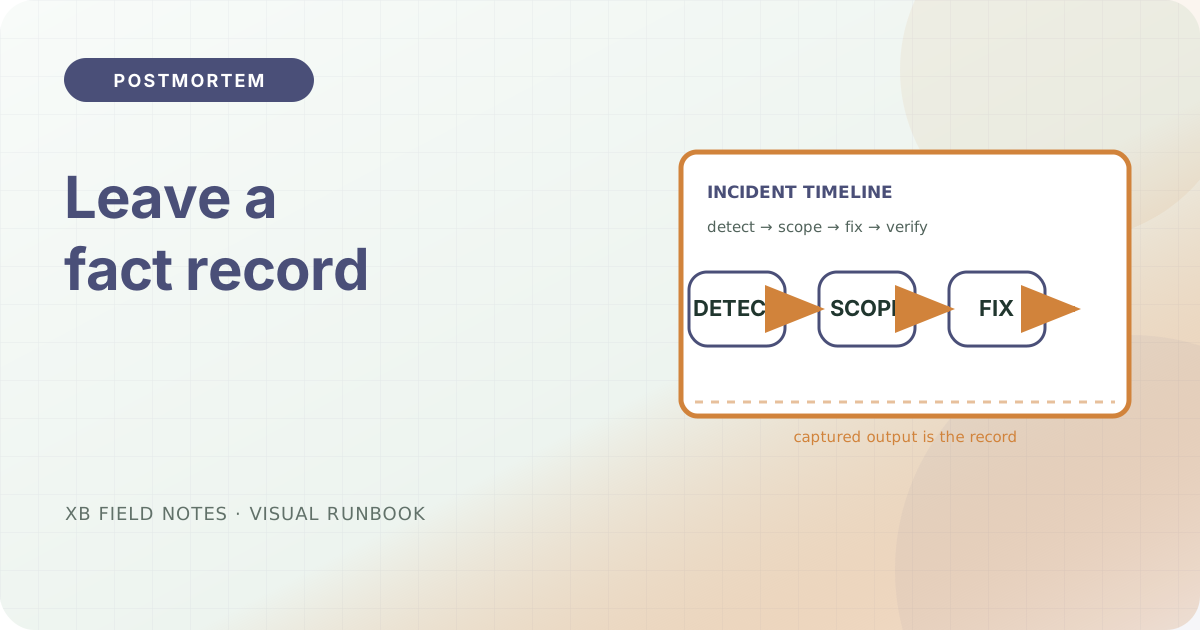
A postmortem earns trust when its claims can be re-checked. That means every phase names the command that produced the fact, not a paraphrase of what someone remembers. The four phases below keep a write-up reviewable at any later time.
Detect: the symptom, with evidence
Start with the smallest verifiable symptom and the command that showed it. A capture is better than a prose description:
$ check-http-headers.sh https://www.xbcatm.com/
HTTP/2 200
content-security-policy: ... script-src 'none' ...
last-modified: Mon, 24 Aug 2026 11:20:54 GMT
If the symptom is that a header changed, the output showing the previous policy and the new one belongs side by side. If it is a failure, include the exit status and the error line.
Scope: how wide, and how you know
State the blast radius with evidence, not adjectives. Fix the boundary you can inspect:
- Which hosts or paths reply with the same symptom? One
check-http-headers.shper candidate host answers this. - Does the cache differ from origin? Compare
Varyand validators. - Which rollback window applies? Use the TTL that was in force before the change.
Fix: the change and its intended effect
Write the corrective action so it can be replayed. Prefer the smallest change that restores the contract, and name what the post-fix run should show:
# new policy line expected in the response:
script-src 'none'
Verify: the post-incident run
Repeat the detection command after the change and show that the observed output now matches the intended contract. A postmortem without this final section is a story; with it, it is a record that approves its own future re-check.
Sources
- RFC 9110 — HTTP Semantics, response metadata and conditional requests, checked 2026-07-07.
- artifact HTTP header check, read-only inspection used throughout this record.